


FILTERED RESULTS
FILTERS
Ads Top
•
·
·
FILTERED RESULTS
Psychedelic Drug Stocks Soar as Trump Orders FDA to Expedite Approvals
Vertical Aerospace (EVTL) Stock Plunges 10% Following $850M Financing Agreement
Morgan Stanley Picks Memory Makers Micron and Sandisk Over Intel (INTC) and AMD (AMD) for AI Exposure
As the film, "The Story of Everything," Explores the Nature of Reality, a New Book from Oaklea Press Argues: "You Are Not Your Brain"- and That Changes Everything
Milei’s Auction of Argentine Railroads Risks Sidelining US-Backed Bidder
US Homebuilders Set for Another ‘Lost’ Earnings Season
Propane Education & Research Council Commits $6 Million to Nexio to Advance Propane Commercial Vehicle Certification
NeutronX Secures CAGE Code; Launches Federal Bidding Strategy Positioning NextNRG (NASDAQ: NXXT) to Target U.S. Energy Security and Infrastructure Contracts
OT Security Experts Warn: Your Team Isn't the Problem. Your Architecture Is.
Inside one of Amsterdam’s first supervised self-driving Teslas
Abu Dhabi’s Zayed airport opens for non-flying shoppers
NYSE Content Update: SEC Chair Paul Atkins to Ring Opening Bell at NYSE
Revolut Aims for $150 Billion Valuation Ahead of IPO
T-Mobile US Enhances Partnership with Rogers Communications
Delta Air Lines Shares Surge 84% Over Past Year
CenterWell Launches Fulfillment Index to Define Aging Well
Mastercard Integrates AI Payment Solutions to Enhance Digital Commerce Trust
Shell Negotiates Sale of South African Fuel Retail Business to ADNOC
Apple 'Relatively Insulated' From AI Volatility, Analyst Says
Kuwait Announces Force Majeure on Oil Shipments Amid Hormuz Disruptions
USA Rare Earth to Buy Brazilian Miner in $2.8 Billion Deal
Affiliates of Blue Owl to buy healthcare REIT Sila Realty Trust for $2.4 Billion
Canada’s annual CPI rises to 2.4% as Iran war spikes gasoline costs
Nakheel awards $144m Dubai Islands infrastructure contract
AI surges as focus for strategic planning
NATO'S RUTTE TO MEET ERDOGAN IN ANKARA APR. 21-22...
CaixaBank Plans 60% Workforce Expansion in London
AST SpaceMobile Shares Decline Following Satellite Deployment Error
Canada's March Inflation Rate Rises to 2.4% Amid Energy Price Surge
AST SpaceMobile Stock Declines Following Satellite Loss in Blue Origin Launch
Accenture Collaborates with Avanade and Microsoft on AI Factory Intelligence System
PayPay Corporation Debuts on Nasdaq, Marking Key Development for Japanese Tech Sector
Study Highlights Predictive Value of Ignite Proteomics' RPPA Platform for Breast Cancer Therapy
GE Vernova Faces Legal Challenges Amid Growing Energy Sector Demand
Worthington Steel Achieves Top Supplier Rating from John Deere for 14th Year
Gogo Faces Diverging Analyst Opinions Amid Guidance Changes
Morgan Stanley Increases Intel Price Target Amid Stronger Server Demand
SLB Adjusts Fair Value Estimate Amid Analyst Target Revisions
Late April Declared Optimal Time for Home Listings in the U.S.
Novo Nordisk Launches DKK 15 Billion Share Repurchase Programme
Debate Emerges Over SpaceX IPO Valuation
U.S. Government to Refund $166 Billion in Tariffs Following Supreme Court Ruling
Iran War Inflation Likely To Stick Even After Ceasefire, Economists Say
Canadian Strategic Missions Corporation to lead $3 million government-backed project to advance manufacturing for nuclear micro-reactors
Canada Inflation Jumps to 2.4% as Iran War Drives Up Gas Prices
Ed Miliband unveils move to delink gas and electricity prices
Accenture's New Agentic Factory System Debuts With Microsoft
Bristow Group Announces Planned Retirement of Chief Operating Officer, Government Services
CD&R-backed Multi-Color secures court approval for $4bn debt overhaul
Crude Prices Spike 8% as Iranian Vessel Seized and Strait of Hormuz Shuts Down Again


Key Highlights
- US naval forces intercepted and captured an Iranian cargo vessel attempting to breach a maritime blockade in the Gulf of Oman
- Tehran reimposed its closure of the Strait of Hormuz following a brief weekend reopening
- Brent crude prices soared by 7.9% while European natural gas prices jumped 11% during Monday trading
- The temporary ceasefire agreement between Washington and Tehran is scheduled to end on April 21, with diplomatic progress uncertain
- Vessel movement through the Strait of Hormuz has virtually halted, with only minimal maritime traffic observed
Energy markets experienced dramatic volatility on Monday following a US military operation that resulted in the capture of an Iranian cargo vessel, combined with Tehran’s decision to reimpose its blockade of the strategically vital Strait of Hormuz.
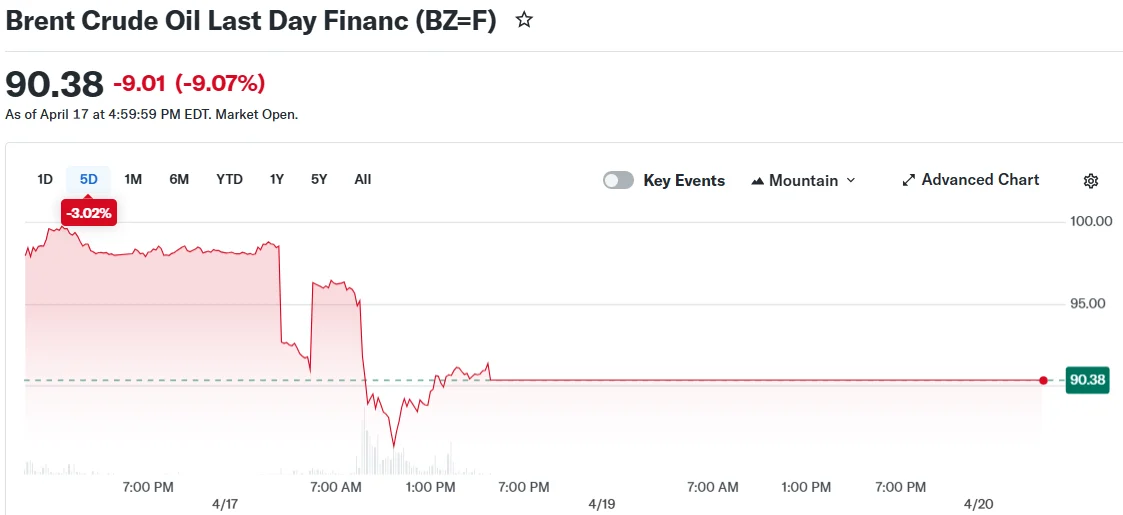
Brent crude oil prices rallied by as much as 7.9% during trading sessions, clawing back the majority of losses sustained on Friday when prices had plummeted more than 9% after Iran’s temporary announcement of reopening the critical shipping channel. European natural gas futures experienced an even steeper climb, surging up to 11%.
President Donald Trump publicly acknowledged that US naval forces had engaged and seized the Iranian-registered ship operating in the Gulf of Oman. According to Trump’s statement, the vessel had refused to comply with multiple instructions to halt its progress as it approached the Strait of Hormuz.
Tehran issued strong condemnations of the seizure and issued warnings of potential retaliatory measures. Iranian state-controlled media outlets reported that government forces had opened fire on multiple other vessels attempting passage through the waterway during the weekend period before reimposing the closure on Saturday.
Iranian officials argued that the US naval blockade targeting Iranian-affiliated vessels constituted a breach of the existing ceasefire terms, which are scheduled to lapse on Tuesday, April 21.
The Strait of Hormuz serves as a critical chokepoint for global energy supplies, facilitating the passage of approximately one-fifth of worldwide oil shipments and liquefied natural gas exports. Maritime operations through the strait have faced severe disruptions since the US-Israeli war against Iran commenced in late February.
Diplomatic Uncertainty Looms
Significant uncertainty surrounds whether renewed diplomatic negotiations will occur prior to the ceasefire expiration. Trump announced that a US diplomatic contingent, including Vice President JD Vance, special envoy Steve Witkoff, and senior advisor Jared Kushner, would travel to Islamabad on Monday evening for scheduled discussions on Tuesday.
However, Iranian state media sources indicated that Tehran has declined additional negotiation opportunities. The Tasnim news agency conveyed that Iran would not dispatch representatives to Islamabad and has refused to participate in talks while US naval blockade operations continue.
Maritime commerce through the Strait of Hormuz reached near-total paralysis on Monday. Tracking data showed only a single oil products tanker attempting an outbound passage, with merely two other vessels navigating in the inbound direction.
Oil prices had previously climbed to nearly $120 per barrel at the outbreak of hostilities, before retreating during the past fortnight as Trump floated possibilities of a diplomatic resolution.
Market Expert Perspectives
Financial analysts at OCBC suggested that markets may have been overly optimistic about the timeline for restoring energy flows. “The standoff looks set to drag on as both sides test pain thresholds,” their analysis stated.
Haris Khurshid of Karobaar Capital observed that markets continue to incorporate a risk premium without fully committing to higher price levels. He projected that crude prices could gradually advance toward the $105–$115 range if current tensions persist.
Robert Rennie of Westpac Banking indicated that physical fuel costs would remain under sustained upward pressure for as long as shipping through the Strait of Hormuz stays restricted.
The fourteen-day ceasefire arrangement between the United States and Iran reaches its expiration point on April 21, with no confirmed diplomatic meetings scheduled as of Monday evening.
Source: Parameter